
Article-At-A-Glance: What Every Traveler Should Know
- Your U.S. health insurance likely won’t cover you abroad — and the U.S. government will not pay your medical bills overseas under any circumstances.
- Comprehensive travel insurance combines three key protections: travel disruption, travel health, and medical evacuation insurance — each serving a distinct and critical purpose.
- Medical evacuations can cost tens of thousands of dollars out of pocket without the right coverage — one of the most overlooked risks in international travel planning.
- There are specific types of travelers — including those with preexisting conditions, cruise passengers, and pregnant travelers — who face unique coverage gaps most standard policies don’t address automatically.
- Knowing when to buy your policy and exactly what questions to ask can be the difference between a covered claim and a financial disaster abroad.
Most travelers don’t think about insurance until something goes wrong — and by then, it’s already too late to get the right coverage.
Planning a trip involves a lot of moving parts, and sorting through travel insurance options can feel overwhelming. Resources that break down comprehensive travel insurance plans in plain language can make a real difference in helping travelers choose coverage that actually fits their needs. The goal here is simple: understand what you’re buying before you need it.
U.S. Health Insurance Won’t Protect You Abroad
This is the part most American travelers get wrong. Some U.S. health insurance carriers do cover medical emergencies that happen internationally, but the coverage is often limited, applies only under specific circumstances, and may not cover medical evacuation at all. Medicare and Medicaid, for example, generally do not provide any coverage outside the United States.
The U.S. government is equally clear on this point: it does not pay medical costs for U.S. citizens traveling abroad. If you end up in a hospital in another country, those bills are yours. That financial reality is exactly why reviewing your existing domestic health insurance policy before any international trip isn’t optional — it’s essential.
Travelers with Medicare Advantage plans face a similar gap. Even if a Medicare Advantage plan offers some international coverage, the specifics vary widely by plan. Evaluating your policy closely and identifying exactly what is and isn’t covered overseas should happen before you even book flights. For those considering cruises, it’s important to note that accessible cruise ships may offer different coverage options.
The 4 Types of Travel Insurance Coverage
Travel insurance isn’t one single product — it’s a category that includes several distinct types of coverage, each designed to protect against different risks. Understanding the difference between them is what allows you to build a plan that actually covers you.
The four main types are domestic health insurance (used as a baseline review), travel disruption insurance, travel health insurance, and medical evacuation insurance. Each can be purchased separately or bundled together, and each serves a unique function. Bundled policies tend to be more convenient and often more cost-effective, but knowing what’s inside the bundle is just as important as having one. For a deeper understanding of how these policies work, you can explore more about how travel insurance works.
1. Domestic Health Insurance
Before purchasing any supplemental travel coverage, the first step is reviewing what your existing domestic health insurance actually covers internationally. Some plans offer limited overseas emergency coverage — but “limited” is the critical word. Knowing your gaps is the foundation for building the right comprehensive plan.
2. Travel Disruption Insurance
Travel disruption insurance protects your financial investment in the trip itself — think canceled flights, delayed departures, lost baggage, and trip interruptions. It’s not designed to cover medical expenses; instead, it’s your safety net when the logistics of travel fall apart. This type of coverage is especially important for expensive, multi-leg international itineraries where a single disruption can cascade into significant losses.
3. Travel Health Insurance
Travel health insurance is a short-term supplemental policy that covers healthcare costs incurred while you’re abroad. It fills the gap left by domestic health insurance and is available from many commercial providers. Policies can be purchased on their own or bundled with travel disruption and medical evacuation coverage.
Costs for travel health insurance vary depending on factors like destination, trip length, traveler age, and the level of coverage selected. Some policies pay healthcare providers directly, while others operate on a reimbursement model — a distinction that matters enormously when you’re in a foreign hospital and don’t have thousands of dollars available to pay upfront.
4. Medical Evacuation Insurance
Medical evacuation insurance covers the cost of transporting you to an appropriate medical facility — or back home — when local care is inadequate or unavailable. This is arguably the most underestimated coverage in travel insurance. Emergency medical evacuation from a remote destination or a country with limited medical infrastructure can run into tens of thousands of dollars without insurance. For more detailed guidance, you can refer to the travel insurance guidelines provided by the U.S. Department of State.
Beyond covering costs, many medical evacuation insurance policies also provide logistical support — helping coordinate care, locate qualified medical facilities, and keep family members informed during a medical emergency. When a traveler is severely ill or injured and unable to advocate for themselves, that coordination function can be just as valuable as the financial protection.
What Travel Health Insurance Actually Covers
Travel health insurance is broader than many people assume, but it also has real boundaries. Understanding both sides of that equation helps you avoid surprises when you actually need to file a claim.
At its core, travel health insurance covers medical expenses for illness or injury that occur while you’re abroad. This includes hospital stays, emergency treatment, diagnostic tests, and physician fees — costs that can escalate quickly depending on the country you’re visiting and the severity of the situation.
Short-Term Coverage for Medical Costs Abroad
Travel health insurance is explicitly a short-term product. It’s designed to cover a specific trip rather than function as ongoing health coverage. Most policies are structured around the duration of your travel, and coverage ends when you return home. For frequent international travelers, annual multi-trip policies can be a more practical and cost-efficient option. If you’re planning a luxury Caribbean cruise, ensuring you have the right coverage is essential.
Direct Payment Policies vs. Reimbursement Policies
This distinction is worth paying close attention to. Direct payment policies settle costs with the healthcare provider on your behalf — you receive care and the insurer handles the bill. Reimbursement policies require you to pay out of pocket first and then submit a claim for repayment after returning home. In an emergency abroad, having a direct payment policy can remove a significant financial barrier to receiving care quickly.
Preexisting Conditions and Travel Health Insurance
Coverage for preexisting medical conditions varies significantly between policies and providers. Some plans exclude preexisting conditions entirely; others cover them if the condition has been stable for a defined period before the trip. A small number of policies offer more comprehensive preexisting condition coverage, typically at a higher premium. For those planning a trip to unique destinations, consider exploring off-the-beaten-path Bermuda destinations to make the most of your travel insurance benefits.
Travelers managing chronic conditions like diabetes, heart disease, or asthma should scrutinize this section of any policy carefully. The definition of “preexisting condition” also varies — some insurers use a 60-day lookback window, others use 180 days. Reading the fine print here isn’t optional; it’s the difference between covered and denied.
Medical Evacuation Insurance: When You Need to Get Out Fast
Picture this: you’re trekking in a remote region of Southeast Asia, a day’s travel from the nearest city, and you suffer a serious injury. Local medical facilities can’t provide the level of care you need. Getting you to a hospital equipped to treat you properly requires a chartered aircraft, coordination with local authorities, and specialized medical personnel on board. Without medical evacuation insurance, that scenario lands entirely on you financially.
Medical evacuation insurance is specifically built for these situations. It covers the transportation costs and logistical coordination required to move an injured or critically ill traveler to an appropriate facility — whether that’s a better-equipped hospital in the same country or repatriation back to the United States.
What Medical Evacuation Insurance Covers
Medical evacuation insurance typically covers air and ground ambulance transportation, coordination of care between medical teams, communication with family members during the emergency, and in some cases, the cost of flying a companion home if you’re hospitalized abroad for an extended period. Some policies also include repatriation of remains — coverage for returning a traveler’s body home in the event of death abroad. These aren’t pleasant details to think about, but they’re important ones to confirm before you travel.
High-Risk Destinations and Limited Medical Care Areas
Travelers heading to destinations with limited healthcare infrastructure — remote wilderness areas, developing countries, small island nations, or regions with political instability — face significantly higher evacuation risk. In these locations, even a relatively minor medical event can require evacuation simply because local facilities lack the equipment or specialists needed to treat it properly. For any trip where quality medical care isn’t readily accessible, medical evacuation insurance moves from optional to essential.
Travel Disruption Insurance: Protecting Your Financial Investment
When people think about travel insurance, they often picture trip cancellation protection — and that’s a core component of travel disruption insurance. But it covers considerably more than a canceled flight. Travel disruption insurance is designed to protect the money you’ve already spent on a trip when circumstances outside your control interfere with your plans.
Trip Cancellation and What Qualifies
Trip cancellation coverage reimburses prepaid, non-refundable travel expenses when you have to cancel for a covered reason. Covered reasons typically include serious illness or injury, the death of a traveler or immediate family member, severe weather events, jury duty, and certain work-related emergencies. The key phrase there is “covered reason” — standard trip cancellation policies only pay out when your reason for canceling matches a specific listed event in the policy.
This is why the distinction between “cancel for listed reasons” and “cancel for any reason” (CFAR) coverage matters so much. Standard cancellation coverage is more affordable but more restrictive. CFAR upgrades give you the flexibility to cancel for any reason at all — a missed connection anxiety, a change of plans, or simply a bad feeling about the trip — but they come at a higher premium and typically reimburse only 50–75% of your prepaid costs.
Lost Baggage and Other Non-Medical Protections
Travel disruption insurance also covers baggage loss, theft, and delay. If your checked luggage is lost by an airline or stolen during your trip, this coverage reimburses you for the value of those belongings up to your policy’s limit. Baggage delay coverage goes a step further — if your bags are delayed by a specified number of hours, it reimburses you for essential purchases like clothing and toiletries while you wait.
Other non-medical protections that often fall under travel disruption coverage include travel delay reimbursement (for meals and accommodation when flights are significantly delayed), missed connection coverage, and 24-hour travel assistance services. These benefits won’t make a disrupted trip fun, but they can take a serious financial sting out of an already frustrating situation.
What Travel Disruption Insurance Does Not Cover
Travel disruption insurance does not cover medical expenses incurred abroad — that’s the job of travel health insurance. It also generally excludes cancellations due to fear of travel, preexisting conditions (unless a waiver is purchased), and events that were already foreseeable when the policy was purchased. For example, if a hurricane warning is issued before you buy your policy, any claims related to that specific storm would likely be denied. Timing your purchase correctly is critical.
How Much Does Comprehensive Travel Insurance Cost
Travel insurance costs vary based on several factors — your age, destination, trip length, total trip cost, and the specific coverage options you select. As a general benchmark, comprehensive travel insurance plans typically run between 4% and 10% of your total prepaid, non-refundable trip costs. For a $5,000 international trip, that’s roughly $200 to $500 for solid coverage — a relatively modest investment against potentially catastrophic out-of-pocket expenses.
Bundled vs. Separate Policy Pricing
Purchasing travel disruption, travel health, and medical evacuation insurance as a bundled comprehensive plan is usually more cost-effective than buying three separate policies. Bundled plans also simplify the claims process since you’re working with one provider rather than coordinating between multiple insurers. That said, bundled plans aren’t always the best fit — travelers who already have some coverage through a domestic health plan, employer benefits, or a credit card may benefit from filling specific gaps with targeted policies rather than paying for redundant coverage.
Cancel for Any Reason vs. Listed Reasons: The Cost Difference
Standard trip cancellation coverage — which only pays out for specific listed reasons — is included in most comprehensive plans at no additional cost. Cancel for Any Reason (CFAR) coverage is an optional upgrade that adds flexibility but increases the overall premium, often by 40–50% above a standard policy price.
Whether CFAR is worth the added cost depends on your situation. If you’re booking a high-cost trip far in advance, traveling during uncertain times, or simply have circumstances that could realistically change before departure, CFAR provides a level of financial protection that standard coverage can’t match. For shorter, lower-cost trips with stable plans, standard cancellation coverage is usually sufficient. If you’re planning a cruise, especially in the Caribbean, you might want to consider accessible cruise ships that set the standard for travel comfort.
Credit Card Travel Benefits Are Not Enough
Many premium travel credit cards include some form of travel protection — trip cancellation coverage, baggage delay reimbursement, and even limited emergency medical benefits. These perks are genuinely useful, but they are not a substitute for a comprehensive travel insurance plan. Credit card travel benefits typically come with strict eligibility requirements, low coverage caps, and significant exclusions. Most critically, they rarely include adequate medical evacuation coverage, and their travel health benefits — where they exist at all — are usually minimal. Using credit card benefits as supplemental coverage makes sense; relying on them as your primary protection abroad does not. For a deeper dive into travel health considerations, explore medical needs in focus when planning your trips.
How to Choose the Right Travel Insurance Plan
Choosing a travel insurance plan isn’t about finding the cheapest option — it’s about identifying the coverage that genuinely matches your trip profile, your health situation, and your financial risk tolerance. Two travelers taking the same trip might need very different policies depending on their age, medical history, and the activities they plan to do.
Questions to Ask Before You Buy
Before purchasing any policy, there’s a specific set of questions that can help you evaluate whether a plan actually covers what you need. The CDC’s travel health resources recommend asking insurers directly about in-network providers at your destination, whether the policy pays providers directly or operates on reimbursement, how preexisting conditions are defined and handled, and whether medical evacuation is included or requires a separate policy.
Additional questions worth asking include: What are the accessible cruise ships available for travelers with special needs?
- Does the policy cover the specific activities I plan to do — adventure sports, scuba diving, or high-altitude trekking?
- What is the maximum benefit limit for emergency medical expenses?
- Is there a 24-hour assistance hotline, and does it offer direct coordination with overseas hospitals?
- What documentation is required to file a claim, and what is the claims timeline?
- Does coverage apply if I extend my trip beyond the original return date?
When to Purchase Your Policy
The best time to buy travel insurance is immediately after making your first trip payment — whether that’s a flight, hotel deposit, or tour booking. Purchasing early locks in your coverage start date and, critically, ensures that any events that occur after purchase but before departure are covered under your trip cancellation protection. Waiting until the week before you leave eliminates a significant portion of the value travel insurance provides.
Specific Travelers Who Need Extra Coverage
While every international traveler benefits from some form of travel insurance, certain groups face coverage gaps that standard policies don’t automatically address. Age, health status, the nature of your trip, and even your mode of travel can all create situations where a basic plan falls short and a more tailored approach is necessary. For example, those considering luxury Caribbean cruises for cancer patients might require specialized insurance coverage to address unique medical needs during their journey.
Understanding which category you fall into — and what additional protections to look for — can mean the difference between a policy that actually pays out and one that leaves you holding an unexpected bill. The three groups that most consistently require specialized coverage consideration are travelers with preexisting medical conditions, cruise passengers, and pregnant travelers.
Travelers Who Should Look Beyond Standard Coverage
Travelers with preexisting conditions: Need policies that explicitly cover stable chronic conditions, with clear lookback window definitions.
Cruise ship travelers: Need medical evacuation coverage that accounts for sea-to-shore transport and port-of-call medical access limitations.
Pregnant travelers: Need policies that include pregnancy-related emergency care and, where applicable, neonatal coverage for premature birth abroad.
Adventure/extreme sports travelers: Need policies that don’t exclude high-risk activities like scuba diving, mountaineering, or off-road motorsports.
Elderly travelers: Face higher premiums and greater scrutiny on preexisting condition clauses — comparing multiple providers is essential.
No two travelers have identical needs, which is exactly why reading a policy’s exclusions with the same attention as its benefits list is so important before purchasing. For those planning a cruise, it’s important to consider accessible cruise ships that meet specific health and safety needs.
Travelers With Preexisting Medical Conditions
Travelers managing ongoing health conditions need to look carefully at how each policy defines a preexisting condition and what the lookback period is. A policy with a 60-day lookback window and a stability requirement means that if your condition has been stable — no new symptoms, medication changes, or doctor visits related to that condition — for at least 60 days before purchase, it may be covered. Policies vary significantly on this point, and some providers offer a preexisting condition waiver if the policy is purchased within a specified window after the initial trip deposit, often 10 to 21 days.
Cruise Ship Travelers
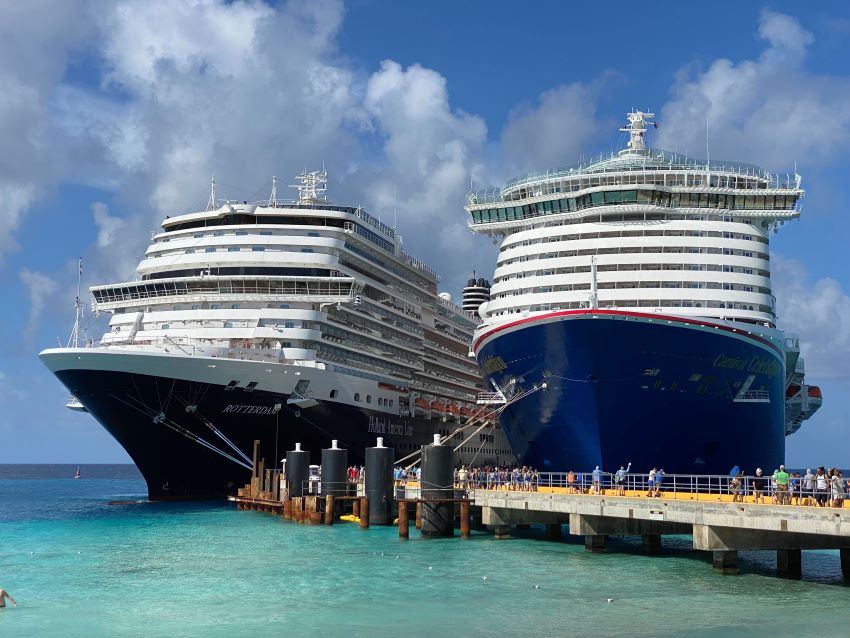
Cruise travel introduces a unique set of medical logistics that standard travel insurance doesn’t always account for. Onboard medical facilities are limited, and care at ports of call depends entirely on the medical infrastructure available in each destination country. Medical evacuation from a ship at sea is a complex, expensive operation — one that requires coverage specifically structured for maritime situations. Cruise-specific travel insurance plans exist for exactly this reason, and for anyone spending significant time at sea, they’re worth the additional consideration.
Pregnant Travelers and Neonatal Coverage Considerations
Pregnancy introduces a layer of medical complexity that most standard travel health insurance policies handle inconsistently. Many policies exclude pregnancy-related care altogether after a certain gestational age — commonly 26 weeks — while others cover emergency obstetric care but draw a hard line at neonatal coverage for premature births. If a baby is born prematurely abroad, the cost of neonatal intensive care in a foreign hospital can be financially devastating without explicit coverage in place.
Pregnant travelers should verify three things before purchasing any policy: whether emergency pregnancy care is covered at their specific stage of pregnancy, whether neonatal care for a premature infant is included, and what the policy considers a “pregnancy complication” versus a “routine pregnancy matter.” These distinctions are spelled out in the fine print — and understanding them before departure is essential.
The Right Coverage Makes International Travel Safer
Comprehensive travel insurance isn’t about pessimism — it’s about preparation. Traveling internationally involves variables that are simply outside your control: unpredictable weather, unfamiliar healthcare systems, language barriers in medical emergencies, and the logistical complexity of getting appropriate care far from home. The right insurance plan removes the financial dimension of those risks so that if something does go wrong, you can focus entirely on recovery rather than cost. For those planning a cruise, it’s important to consider accessible cruise ships that set the standard for safety and comfort.
The most important mindset shift is moving away from thinking of travel insurance as an add-on and toward treating it as a foundational part of trip planning. Booking flights and accommodations without reviewing your insurance coverage is like building a house without a foundation — the structure might look fine until something puts it under pressure.
Travelers who take the time to review their domestic health insurance gaps, understand the difference between travel disruption, travel health, and medical evacuation coverage, and ask the right questions before purchasing a policy are genuinely better protected than those who grab the cheapest option at checkout. That knowledge gap is where most underinsurance problems begin. For those considering travel by sea, it’s also important to understand how accessible cruise ships can impact your travel plans and insurance needs.
The process doesn’t have to be complicated. Review your existing coverage, identify what’s missing, match those gaps to the right type of supplemental policy, and purchase as soon as you make your first trip payment. Those four steps cover the vast majority of what it takes to travel with real financial protection in place.
| Coverage Type | What It Protects | Who Needs It Most |
|---|---|---|
| Travel Health Insurance | Medical expenses for illness or injury abroad | All international travelers |
| Medical Evacuation Insurance | Transport to appropriate medical care; repatriation | Travelers to remote or underdeveloped destinations |
| Travel Disruption Insurance | Trip cancellation, delays, lost baggage | Travelers with significant prepaid, non-refundable costs |
| Cancel for Any Reason (CFAR) | Full flexibility to cancel for any reason | Travelers with uncertain or high-cost itineraries |
| Preexisting Condition Waiver | Coverage for stable chronic conditions | Travelers with ongoing medical conditions |
Frequently Asked Questions
These are the questions travelers most commonly ask when navigating comprehensive travel insurance for the first time — answered directly and without the fine-print fog.
Does Medicare or Medicaid Cover Medical Emergencies Abroad?
Generally, no. Medicare does not cover medical care received outside the United States except in very narrow circumstances — for example, if you’re traveling through Canada between Alaska and another U.S. state and a medical emergency arises closer to a Canadian hospital than a U.S. one. Medicaid provides no international coverage under any circumstances. To understand more about coverage limitations, you can refer to the guidance on insurance for international travel.
Some Medicare Supplement (Medigap) plans do include limited foreign travel emergency coverage — typically up to $50,000 lifetime maximum after a $250 deductible, covering 80% of billed charges for the first 60 days of a trip. However, this coverage is limited and may not be sufficient for serious illness, extended hospitalization, or medical evacuation. Travelers on Medicare or Medicaid should treat supplemental travel health insurance as mandatory, not optional.
Can I Buy Travel Health Insurance and Medical Evacuation Insurance Together?
Yes — and in most cases, purchasing them together as part of a bundled comprehensive travel insurance plan is the more practical approach. Most major travel insurance providers offer plans that combine travel disruption, travel health, and medical evacuation coverage into a single policy. This simplifies both the purchasing process and the claims process, since you’re coordinating with one insurer rather than multiple providers with potentially overlapping or conflicting terms.
That said, standalone medical evacuation insurance is also available — useful for travelers who already have adequate health coverage through a domestic plan but want dedicated evacuation protection. Providers like GeoBlue, Medjet, and International SOS offer medical evacuation memberships as independent products. For most travelers, though, the bundled approach provides better overall value and more seamless coverage.
Does Travel Disruption Insurance Cover Medical Expenses in Other Countries?
No. Travel disruption insurance and travel health insurance are distinct products with distinct purposes. Travel disruption insurance is designed to protect your financial investment in the trip — covering non-refundable costs when travel plans fall apart due to covered events. It does not cover hospital bills, physician fees, diagnostic tests, or any other medical expenses incurred while abroad. For those planning a cruise, it’s essential to consider health safety with luxury Caribbean cruises to ensure comprehensive coverage.
This is one of the most common misconceptions in travel insurance. Travelers sometimes assume that because their policy covers trip cancellation due to illness, it also covers the cost of treating that illness while traveling — it doesn’t. Medical expense coverage requires a separate travel health insurance policy or a bundled plan that explicitly includes health coverage.
The clearest way to think about it: travel disruption insurance protects your money, travel health insurance protects your health, and medical evacuation insurance protects your ability to access appropriate care. All three serve different functions, and a genuinely comprehensive plan addresses all three.
Quick Reference: What Each Policy Type Covers
✅ Travel Disruption Insurance: Canceled flights, trip interruption, lost baggage, travel delays
❌ Travel Disruption Insurance does NOT cover: Medical bills, hospital stays, emergency treatment abroad✅ Travel Health Insurance: Doctor visits, hospital stays, emergency treatment, diagnostic tests abroad
❌ Travel Health Insurance does NOT cover: Trip cancellation, baggage loss, flight delays✅ Medical Evacuation Insurance: Emergency transport, coordination of care, repatriation
❌ Medical Evacuation Insurance does NOT cover: Medical treatment costs, trip disruption expenses
When reviewing a bundled comprehensive plan, confirm explicitly which of these three coverage types is included and at what benefit limits. A plan that calls itself “comprehensive” but only includes disruption and health coverage — with no evacuation component — leaves a significant gap for travelers heading to remote or medically underserved destinations.
When Should I Purchase a Travel Insurance Policy Before My Trip?
Purchase your travel insurance policy as soon as you make your first non-refundable trip payment. This is the single most important timing decision in travel insurance. Buying early maximizes the period during which trip cancellation coverage is active, ensures you’re covered for events that occur between purchase and departure, and — for travelers interested in preexisting condition waivers — meets the eligibility window that most insurers require, typically within 10 to 21 days of the initial deposit.
Waiting until just before departure is one of the most common and costly travel insurance mistakes. While you can technically purchase a policy the day before you leave, you forfeit early-purchase benefits, and any event that has already occurred or been publicly announced — a named storm, a declared health emergency, an airline bankruptcy — will be considered a “known event” and excluded from coverage. Earlier is always better.
Do Credit Card Travel Benefits Replace the Need for Travel Insurance?
No — credit card travel benefits are a useful supplement, not a replacement. Premium travel credit cards like the Chase Sapphire Reserve or the American Express Platinum card do include meaningful travel protections: trip cancellation and interruption coverage, baggage delay reimbursement, and some emergency medical benefits. For shorter domestic trips or low-cost international travel, these benefits may provide adequate baseline protection.
However, credit card travel benefits consistently fall short in three critical areas: medical evacuation coverage is rarely included or is capped at levels far below actual evacuation costs; emergency medical expense coverage, where it exists, typically has low limits that wouldn’t cover a serious hospitalization abroad; and preexisting condition exclusions are common and often broader than those found in dedicated travel insurance policies.
The most practical approach is to use credit card benefits as one layer of a broader protection strategy — not as the whole strategy. Know exactly what your card covers, identify the gaps, and fill them with a supplemental travel insurance plan that addresses the specific risks of your trip. That combination gives you both the convenience of built-in card benefits and the depth of coverage that dedicated travel insurance provides.
For tailored guidance on finding the right comprehensive travel insurance plan for your next trip, explore coverage options and resources designed to help travelers make informed, confident decisions before they leave home. Additionally, consider learning about accessible cruise ships for a more inclusive travel experience.