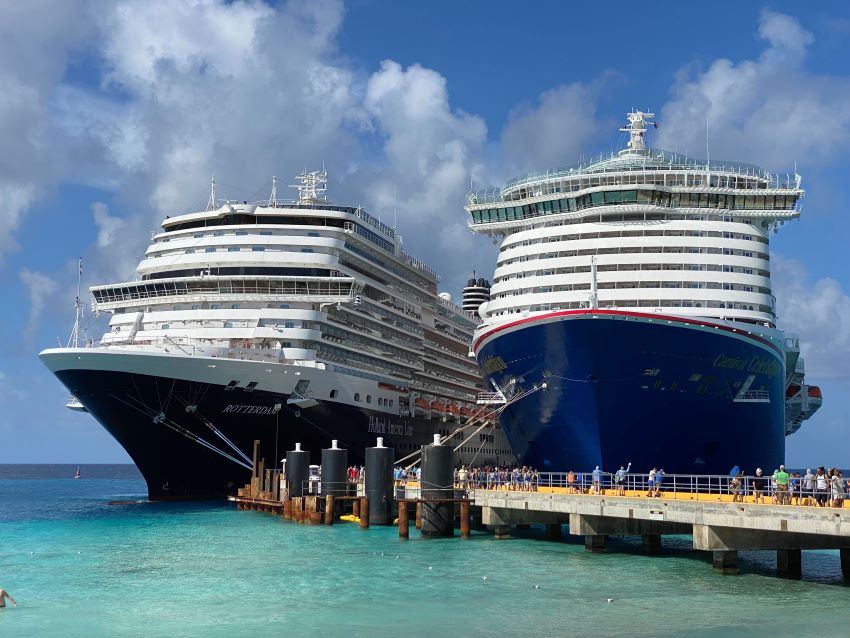

- Luxury Caribbean cruises can be a safe and enjoyable option for cancer patients — with the right preparation, ship choice, and insurance in place.
- Not all cruise ships offer the same level of medical support — onboard medical centers vary significantly in capability, and choosing the right one could make all the difference.
- Travel insurance with full pre-existing condition coverage is essential — boarding without it is a risk no cancer patient should take.
- Some cruise lines like Norwegian Cruise Line and Celebrity Cruises offer dedicated medical accommodations — including support for dialysis, oxygen use, and chronic condition management.
- There’s a specific packing strategy and medication management approach that works best at sea — and getting it wrong could cut your trip short.
A luxury Caribbean cruise isn’t off the table just because you’re living with cancer — in fact, for many patients, it’s one of the most manageable ways to travel.
The combination of consistent onboard amenities, accessible medical support, and the ability to control your pace makes cruising a genuinely practical option. That said, the gap between a trip that goes smoothly and one that becomes a medical emergency often comes down to preparation. InsureWith specializes in travel insurance for people with pre-existing medical conditions, including cancer, and understanding what coverage you actually need before you book is where smart planning starts.
Luxury Caribbean Cruises Are More Accessible for Cancer Patients Than You Think
The appeal of a Caribbean cruise for cancer patients isn’t just about the destination — it’s about structure. Unlike land-based travel where you’re constantly navigating new hotels, unfamiliar transport, and variable food quality, a cruise ship is a controlled environment. Your medical supplies stay in your cabin, your meals are consistent, and rest is always close.
Cruising also allows you to visit multiple destinations without the physical demand of constantly repacking and relocating. For patients managing fatigue, this is a significant advantage. Shore excursions can be chosen based on your energy levels that day, and if you’re not feeling up to it, staying onboard is always an option with no penalty. For more insights on cruise activities, you can explore must-do activities at key ports.
The key is matching the right cruise line, ship, and itinerary to your specific medical situation — because not all luxury Caribbean cruises are built the same.
How to Choose the Right Cruise Ship for Your Medical Needs
Choosing a cruise ship when you have cancer isn’t just about the suite or the dining options. Medical infrastructure, accessibility features, and itinerary design all need to factor into the decision before you even look at pricing.
What to Look for in Onboard Medical Centers
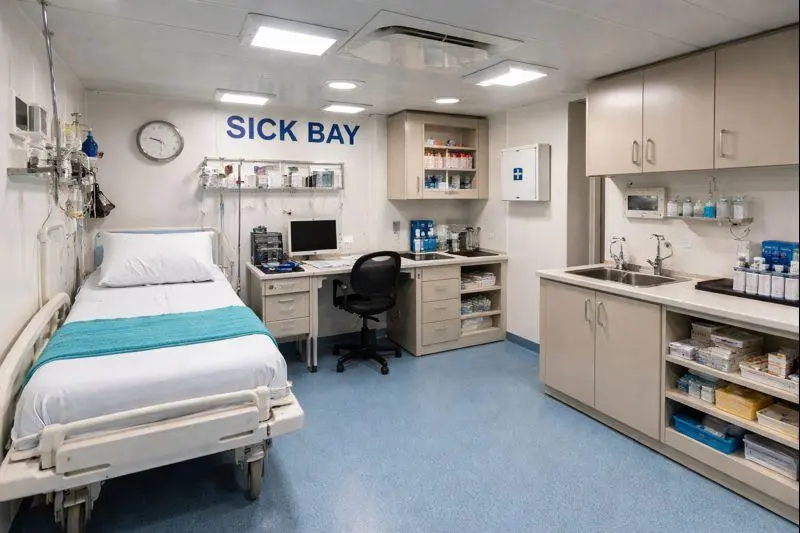
The quality of a ship’s medical center can vary dramatically depending on the size and class of the vessel. Larger luxury ships typically have fully staffed medical centers with physicians and nurses available around the clock. Before booking, contact the cruise line directly and ask specific questions:
- Is there a physician onboard 24/7, or only a nurse?
- Can the medical center handle infusion therapy or IV medication administration?
- What diagnostic equipment is available — X-ray, ECG, lab testing?
- Are there isolation facilities for infection-prone passengers?
- What is the protocol for a medical emergency at sea?
Norwegian Cruise Line equips every ship with a Medical Center staffed 24 hours a day, 7 days a week, providing professional care for both guests and crew. This level of consistent access matters significantly for cancer patients who may need urgent care without warning.
Ship Size and Its Impact on Accessibility
Larger ships generally mean better medical facilities, more accessible cabin configurations, and a wider range of low-impact onboard activities. However, they also mean longer walks between areas, which can be a challenge for patients dealing with fatigue or mobility issues. Mid-size luxury vessels often strike a better balance — enough medical infrastructure without the overwhelming scale of a mega-ship.
Itineraries That Keep You Close to Quality Healthcare
Remote itineraries that venture far from major ports can leave you far from hospital-grade care if something goes wrong. For cancer patients, particularly those on active treatment, itineraries that stay within reach of islands with established medical infrastructure — such as Barbados, Puerto Rico, or Martinique — are far safer bets than those heading into more isolated destinations. For more information on key ports, check out must-do activities at key ports.
Puerto Rico, for example, as a U.S. territory, has access to U.S.-standard hospitals and healthcare facilities, which offers an added layer of security for American passengers. Checking the healthcare quality at each port of call before booking is a step many travelers skip — and one that cancer patients genuinely cannot afford to miss.
Slow-Paced vs. High-Energy Cruise Styles
Some luxury cruise lines are built around high-energy entertainment, late nights, and packed excursion schedules. Others focus on relaxation, fine dining, and gentle exploration. For cancer patients managing fatigue or treatment side effects, lines like Seabourn, Regent Seven Seas, or Oceania Cruises tend to offer a more measured pace compared to larger resort-style ships. Matching the culture of the cruise line to your current energy levels is just as important as matching the medical facilities.
Onboard Medical Care on Luxury Caribbean Cruises
Understanding exactly what onboard medical care can and cannot do is critical. The medical center on a cruise ship is equipped to handle a range of situations, but it is not a hospital — and knowing that boundary before you sail could save your life.
24/7 Medical Centers: What They Can and Cannot Treat
Most medical centers on luxury cruise ships are equipped to handle acute care situations: cardiac events, fractures, wound care, respiratory distress, and infections. They carry emergency medications, have basic diagnostic tools, and can stabilize a patient for evacuation. What they typically cannot do is provide chemotherapy administration, complex surgical procedures, or long-term specialist care. If your treatment plan includes anything that requires specialist oversight, you need to either pause treatment for the duration of the cruise or confirm in advance with both your oncologist and the cruise line that arrangements can be made.
How Norwegian Cruise Line Handles Medical Emergencies
Norwegian Cruise Line’s onboard Medical Centers are designed to provide prompt, professional, and compassionate care at any hour. In a medical emergency, the ship’s medical team coordinates with shoreside emergency services and, where necessary, arranges for medical evacuation to the nearest appropriate facility. Guests with chronic conditions are specifically encouraged by NCL to notify the Medical Center at the start of the cruise — this allows the team to provide coordinated, proactive support rather than reactive emergency care alone.
Celebrity Cruises Accommodations for Dialysis and Oxygen Patients
Celebrity Cruises Medical Accommodation Policy: Celebrity Cruises accommodates guests with medical conditions that require dialysis or the use of supplemental oxygen. Passengers must contact Celebrity directly prior to booking to discuss specific policies, equipment requirements, and onboard procedures for these services.
For cancer patients who require dialysis or supplemental oxygen, Celebrity Cruises stands out as one of the more proactive luxury lines in accommodating complex medical needs. Rather than turning passengers away, they work with guests ahead of time to coordinate what equipment can come onboard and how it will be managed during the voyage.
If you rely on oxygen therapy, you’ll need to arrange for an approved medical oxygen supplier who can deliver equipment directly to the ship at embarkation. Personal home oxygen units are generally not permitted due to safety regulations, so confirming your specific equipment with Celebrity well in advance is non-negotiable. The earlier you make contact, the smoother the boarding process will be.
Dialysis patients face a more complex planning process, but it is far from impossible. Some ports of call in the Caribbean — particularly in larger islands like Barbados and Puerto Rico — have dialysis centers that can be arranged for port-day appointments. Your medical team at home and the cruise line’s accessibility department need to be looped in together from the very beginning of the planning process.
Medication Management at Sea
Managing medication on a cruise requires more planning than most passengers anticipate. Once you’re at sea, you cannot simply pop into a pharmacy if you run out of something critical — and port pharmacies vary wildly in what they stock and whether they can fulfill prescriptions from your home country.
Before departure, sit down with your oncologist or GP and map out every medication you take, its dosage schedule, storage requirements, and what happens if a dose is missed or delayed. This conversation should directly inform how you pack and how you structure your days onboard.
How Much Medication to Pack and Why
The standard recommendation is to bring at least double your expected supply — enough for the full trip, plus the same amount again as a buffer. This accounts for unexpected delays, itinerary changes, or the cruise being extended due to weather or mechanical issues. If your cruise is 10 days, pack for 20. Store half in your carry-on or cabin bag and half in a separate location so a single lost bag doesn’t leave you without anything critical.
For controlled medications or specialty cancer drugs, you’ll also need to carry a letter from your prescribing physician that clearly states your diagnosis, the medication names and dosages, and that they are for personal medical use. Some Caribbean ports have strict customs rules around certain medications, and having official documentation prevents unnecessary complications at port.
The Right Way to Store and Carry Medication Onboard
Temperature-sensitive medications — which include many biologics and some chemotherapy agents — need refrigerated storage. Most luxury cruise lines can provide in-cabin refrigeration or secure medical-grade cold storage through the onboard medical center. Request this in writing before you sail, not after you board. If your medication requires a specific temperature range, confirm the exact storage conditions available and get confirmation in writing. For more travel tips, check out our guide to must-do activities at key ports.
Keep all medications in their original labeled packaging wherever possible. This matters at customs, at the ship’s medical center if you need assistance, and if you’re ever in a situation where another medical professional needs to review what you’re taking quickly. A printed medication list with generic names, brand names, dosages, and prescribing doctor contact details should travel with you at all times — not just in your checked luggage. For more information on how to manage your medical needs while cruising, check out the resources available.
Travel Insurance Is Non-Negotiable for Cancer Patients
- Most cruise lines will not allow boarding without proof of travel insurance that covers your pre-existing medical conditions.
- A standard travel insurance policy is not enough — you need one specifically designed to cover cancer and its treatment-related complications.
- Cruise-specific policies include coverage categories that generic travel insurance simply doesn’t offer.
- Declaring your full medical history accurately is legally and practically essential — undisclosed conditions can void your entire policy.
- Some insurers require a waiting period after diagnosis or the start of treatment before they will issue a policy, so check this before booking your cruise.
Travel insurance for cancer patients isn’t just a formality — it is the financial and logistical safety net that makes the entire trip viable. Medical treatment onboard a cruise ship is billed directly to the passenger, and the costs can be significant. A single emergency evacuation from a Caribbean cruise can run into tens of thousands of dollars without coverage.
The right policy needs to be in place before you pay any deposits on your cruise. Some policies won’t cover trip cancellation costs for bookings made before the policy was purchased, so the sequencing matters. Get insured first, then confirm your booking — or at minimum, ensure you understand exactly what the policy covers in relation to your booking date. For more insights, explore must-do activities at key ports to enhance your cruise experience.
Insurers like InsureWith specialize in travel insurance for people with pre-existing conditions including cancer, offering policies that are built around the specific risks cancer patients face when traveling — rather than generic policies that quietly exclude the exact situations most likely to occur.
Why Pre-Existing Condition Declarations Matter
When you apply for travel insurance as a cancer patient, you are required to declare your full medical history — your diagnosis, current treatment status, any recent hospitalizations, and all medications. Failing to disclose accurately doesn’t just risk a claim being denied; it can render your entire policy void, leaving you with no coverage at all in an emergency. Be thorough, be honest, and if in doubt about what to declare, declare it anyway.
Cruise-Specific Coverage You Must Have
A standard travel insurance policy won’t cut it for a cruise. You need coverage that specifically includes ship-based medical treatment, which is billed separately from land-based care and can be extremely expensive. You also need missed port departure cover — if you’re ashore receiving medical treatment and the ship sails without you, you need a policy that covers the cost of catching up with the vessel or making alternative arrangements.
Emergency medical evacuation coverage is equally critical. If the ship’s medical center cannot adequately treat your condition, you may need to be airlifted to a land-based hospital. Without evacuation coverage, the cost of that transfer falls entirely on you. This is not a scenario to be optimistic about — it is a scenario to be insured against.
Medical Repatriation and What It Covers
Medical repatriation coverage pays for the cost of returning you to your home country if you require medical treatment that cannot be adequately provided in the Caribbean. For cancer patients, this is particularly relevant — if a complication arises that requires your specialist oncology team, being flown home under medical supervision is an expensive but sometimes necessary outcome. Confirm that your policy covers repatriation explicitly and check whether it requires pre-authorization before arranging transport.
Cancellation Protection If Your Health Changes Before Departure
Cancer treatment plans can change without warning. A scan result, a new round of chemotherapy, or an unexpected hospitalization can make sailing impossible even after you’ve paid in full. Cancellation protection that covers health-related trip abandonment — specifically for pre-existing conditions — ensures you’re not losing thousands of dollars because your body had other plans. Read the policy wording carefully: some policies only cover cancellations due to sudden illness, not worsening of a known condition.
How to Stay Healthy and Safe Onboard
A cruise ship, despite its luxury trappings, is a shared enclosed environment — and that presents specific health considerations for cancer patients, particularly those who are immunocompromised. Being proactive about hygiene, sun exposure, and energy management isn’t overcautious; it’s the difference between enjoying your trip and spending it in the medical center.
Chemotherapy and radiation therapy can significantly increase sun sensitivity, meaning even brief exposure to Caribbean sun can cause severe burns or skin reactions that wouldn’t affect a healthy passenger. Apply high-SPF sunscreen — SPF 50 or above — reapply every 90 minutes, wear UV-protective clothing, and limit direct sun exposure during peak hours between 10am and 3pm. Many luxury ships have shaded deck areas and indoor pools specifically designed for guests who want to enjoy the ship without full sun exposure.
- Wash hands frequently, especially before meals and after using shared facilities like handrails, elevators, and gym equipment.
- Carry hand sanitizer with at least 60% alcohol content for situations where handwashing isn’t immediately possible.
- Avoid buffet-style dining where possible if you are severely immunocompromised — the shared serving utensils and extended food exposure increase contamination risk.
- Stay hydrated — Caribbean heat combined with certain medications can accelerate dehydration faster than you’d expect.
- Rest without guilt — build intentional downtime into every day and don’t feel pressured to participate in every onboard activity.
If you feel unwell at any point during the cruise, visit the onboard medical center promptly rather than waiting to see if symptoms resolve on their own. Early intervention in an enclosed ship environment — particularly for infections — is always the right call for immunocompromised passengers.
Sun Sensitivity During Chemotherapy and Radiotherapy
Chemotherapy and radiotherapy both significantly increase photosensitivity — your skin’s vulnerability to UV radiation. In the Caribbean, UV index levels routinely hit 11 or above, which is classified as extreme. What causes mild redness in a healthy passenger can cause severe burns, blistering, or painful radiation recall reactions in someone on active treatment. This isn’t a reason to stay inside all cruise, but it does require a deliberate strategy every single day you’re outdoors.
Use mineral-based sunscreen rated SPF 50 or higher, applied 20 minutes before sun exposure and reapplied every 90 minutes — sooner if you’ve been in the water. Wear wide-brimmed hats, UV-protective clothing with a UPF rating of 50+, and UV-blocking sunglasses. Seek shade proactively during peak sun hours between 10am and 3pm, and remember that UV rays reflect off water, meaning you’re still being exposed even under a parasol near the pool. If you’re planning a trip, consider exploring Norwegian Cruise Line’s key ports for a sun-safe adventure.
Infection Risks in Enclosed Ship Environments
A luxury cruise ship is a closed circulation environment — air, water, and surfaces are shared by thousands of people, and for immunocompromised cancer patients, that creates a genuinely elevated infection risk. Respiratory viruses, gastrointestinal infections like norovirus, and waterborne pathogens can spread quickly in ship environments, and your immune system may have a limited ability to fight them off depending on where you are in your treatment cycle.
Before sailing, discuss your current immune status with your oncologist. If your white blood cell count is low due to chemotherapy, your doctor may advise delaying the trip or taking prophylactic antibiotics. Onboard, prioritize handwashing, avoid touching your face in shared spaces, and consider wearing a high-quality mask in crowded areas like the theater, buffet hall, or embarkation zones where large groups congregate.
Accessible Shore Excursions Worth Booking
Shore excursions don’t have to mean long hikes or intense activity. Most luxury cruise lines — including Norwegian Cruise Line, Celebrity Cruises, and Regent Seven Seas — offer excursion categories filtered by physical intensity, and many Caribbean ports have gentle, culturally rich options that are genuinely manageable for passengers with limited energy or mobility. Look for excursions labeled as easy, leisurely, or accessible, and check whether transport is included so you’re not walking long distances in the heat.
Some strong options across Caribbean ports include glass-bottom boat tours in Curaçao, botanical garden visits in Barbados, historic old town walks with wheelchair-accessible paths in San Juan, Puerto Rico, and private car or catamaran tours in St. Lucia that eliminate the need for strenuous physical activity. Booking directly through the cruise line also provides the security of a guaranteed return to the ship — if a medical situation arises ashore, the ship will wait for passengers on official excursions in a way it may not for independently arranged activities.
Make the Most of Your Luxury Caribbean Cruise Experience
A luxury Caribbean cruise with cancer is entirely possible — and for many patients, it becomes one of the most meaningful travel experiences of their lives precisely because of the care taken in planning it. The structure of cruise travel, the consistent access to support, and the beauty of Caribbean destinations combine to create something genuinely restorative. The goal isn’t to pretend everything is normal — it’s to design a trip that works for where you are right now, with the right ship, the right coverage, and the right mindset. Plan thoroughly, communicate openly with both your medical team and the cruise line, and give yourself full permission to enjoy every moment of it.
Frequently Asked Questions
- Can cancer patients go on a Caribbean cruise during active treatment?
- What medical facilities are typically available on luxury cruise ships?
- Does travel insurance cover cancer-related cancellations for cruises?
- Which luxury cruise lines are most accommodating for passengers with medical conditions?
- What should cancer patients pack in their medical kit for a Caribbean cruise?
Planning a luxury Caribbean cruise as a cancer patient raises a lot of practical questions — and the answers aren’t always easy to find in one place. The sections below address the most common concerns directly, drawing on guidance from major cruise lines, travel insurance specialists, and oncology travel planning best practices.
Every patient’s situation is different, and the right answers for you will depend on your specific diagnosis, treatment phase, and current health status. Use these FAQs as a starting framework, then take your specific circumstances to your oncologist and your travel insurance provider before making any final decisions.
What follows covers the ground most cancer patients need covered before they feel genuinely confident booking a luxury Caribbean cruise.
Can cancer patients go on a Caribbean cruise during active treatment?
Yes — many cancer patients do cruise during active treatment, but whether it is safe and appropriate for you specifically depends on your type of cancer, your current treatment protocol, and your oncologist’s assessment of your immune status and overall fitness to travel. There is no blanket rule that prohibits cancer patients from cruising, but there are real risks that must be evaluated on an individual basis before booking. To explore more about cruising, consider reading about Norwegian Cruise Line activities at key ports.
The most important first step is a direct conversation with your oncologist. Bring a list of specific questions: Is my immune system strong enough to handle an enclosed ship environment? Are there any treatment side effects that could be dangerous in a remote location? Is my condition stable enough that an unexpected complication is unlikely during the trip? Their answers will shape every other decision you make.
Patients in remission, between treatment cycles, or in early-stage treatment with stable markers have successfully completed Caribbean cruises with appropriate planning. Patients in the middle of aggressive chemotherapy, those with severely compromised immune systems, or those whose conditions are currently unstable may be advised to wait. The decision is medical first, logistical second.
Key Questions to Ask Your Oncologist Before Booking:
• Is my current immune status safe for travel in an enclosed ship environment?
• Are there any treatment side effects that could become dangerous at sea?
• Do I need to pause or adjust my treatment schedule to accommodate the cruise dates?
• Are there specific medications I should carry for emergencies related to my condition?
• What symptoms should prompt me to seek emergency care onboard immediately?
• Do you have any concerns about the specific Caribbean ports we will be visiting?
Once you have medical clearance, your oncologist’s written assessment becomes a critical travel document. Carry it with you alongside your medication list, insurance details, and emergency contact information. Some cruise lines may request documentation of your fitness to sail as part of their accessibility intake process.
What medical facilities are typically available on luxury cruise ships?
Most luxury cruise ships operate a fully staffed Medical Center with at least one physician and multiple registered nurses available 24 hours a day, 7 days a week. Facilities typically include diagnostic equipment such as X-ray machines, ECG monitors, and basic laboratory testing. They carry emergency medications, oxygen, defibrillators, and equipment for wound care, IV fluid administration, and acute stabilization. Norwegian Cruise Line, for example, maintains this standard of 24/7 medical staffing across its fleet, with a focus on prompt and professional care for both guests and crew.
What onboard medical centers are not equipped to provide is specialist oncology care, chemotherapy administration, or complex surgical intervention. They function as emergency and acute care facilities — capable of stabilizing a patient and coordinating evacuation to a land-based hospital, but not as ongoing treatment centers. For cancer patients, this means the onboard medical center is a safety net, not a substitute for your existing medical team.
Does travel insurance cover cancer-related cancellations for cruises?
Yes — but only if your policy is specifically structured to cover pre-existing medical conditions and you have declared your cancer diagnosis accurately and in full at the time of application. Standard off-the-shelf travel insurance policies frequently exclude pre-existing conditions entirely, which means a cancellation driven by a worsening of your cancer, a new treatment requirement, or a hospitalization before departure would not be covered under a generic policy.
Specialist insurers who work with cancer patients — such as InsureWith — offer policies that are designed specifically to address this gap, providing cancellation coverage for health-related changes to pre-existing conditions, not just sudden new illnesses. It is also worth noting that some insurers apply a waiting period after a cancer diagnosis or the start of treatment before a policy can be issued, so checking this timeline before booking your cruise is essential to ensure your coverage is valid from day one.
Which luxury cruise lines are most accommodating for passengers with medical conditions?
Norwegian Cruise Line and Celebrity Cruises are among the most proactively accommodating luxury lines for passengers with complex medical needs. NCL’s commitment to 24/7 Medical Center staffing and its explicit encouragement for guests with chronic conditions to register with the medical team at the start of the voyage makes it a strong choice for cancer patients who want professional support readily available. Celebrity Cruises goes further in explicitly accommodating guests who require dialysis or supplemental oxygen, working with passengers ahead of time to arrange the necessary equipment and procedures — a level of pre-trip coordination that makes a significant difference for passengers with those specific needs.
For passengers prioritizing a gentler overall pace alongside strong medical support, Regent Seven Seas Cruises and Oceania Cruises offer a more relaxed cruise culture with high service standards. Seabourn is another strong option for its small-ship intimacy and attentive crew-to-passenger ratios, which means more personalized support if you need assistance. Whichever line you choose, contact their accessibility or special needs department directly before booking — not after — to discuss your specific medical requirements and confirm what accommodations are available on your chosen vessel and itinerary.
What should cancer patients pack in their medical kit for a Caribbean cruise?
Building a proper medical kit for a Caribbean cruise as a cancer patient goes well beyond standard travel first aid. Your kit needs to account for treatment side effects, emergency scenarios, and the reality that port pharmacies may not stock what you need or be able to fulfill foreign prescriptions. Start with your oncologist and pharmacist — ask them specifically what you should carry given your current treatment phase and any known side effects you experience.
The core of your medical kit should be your medications — packed in double quantities as discussed, in original labeled packaging, with a physician’s letter confirming their medical necessity. Beyond that, build around your known vulnerabilities: if you experience nausea from chemotherapy, carry prescription-strength antiemetics. If you’re prone to infections, carry a thermometer and know the fever threshold at which you should report to the medical center immediately (typically 38°C / 100.4°F or above for chemotherapy patients). For those planning to travel, consider exploring Norwegian Cruise Line for a well-rounded travel experience while managing health needs.
Temperature management, wound care, and hydration support are also essential considerations given the Caribbean climate and the physical demands of even light excursion activity. Pack everything with the assumption that you cannot easily replace it at your destination.
- All current medications in double supply, original packaging, with physician’s letter
- Printed medication list including generic names, brand names, dosages, and prescribing doctor details
- Digital and printed copies of your medical history, oncologist’s contact details, and insurance policy documents
- Thermometer — digital and reliable, for monitoring fever in immunocompromised situations
- Prescription antiemetics if nausea is a known treatment side effect
- High-SPF mineral sunscreen (SPF 50+) and UPF 50+ sun-protective clothing and hat
- Oral rehydration salts for managing dehydration in Caribbean heat
- Hand sanitizer (60%+ alcohol) and a supply of high-quality face masks
- Wound care supplies if your skin is fragile due to treatment
- Emergency contact card listing your oncologist, GP, next of kin, and insurance emergency line
Keep your most critical medications and documents in your cabin or on your person at all times — never in checked luggage or bags left unattended in excursion transport. If any of your medications require refrigeration, confirm cold storage arrangements with the cruise line before boarding and follow up in writing so there is a record of the agreement.
A luxury Caribbean cruise with cancer is not just wishful thinking — it is a genuinely achievable experience when approached with the right level of preparation, the right medical clearance, and the right insurance in place. The planning takes more effort than a standard vacation, but the reward is a trip that works for your life as it is right now, not as it was before your diagnosis.